







![travel essentials for skiing in gulmarg]](https://gulmargsnowkings.com/wp-content/uploads/2024/12/travel-essentials-for-skiing-in-gulmarg-300x169.png)




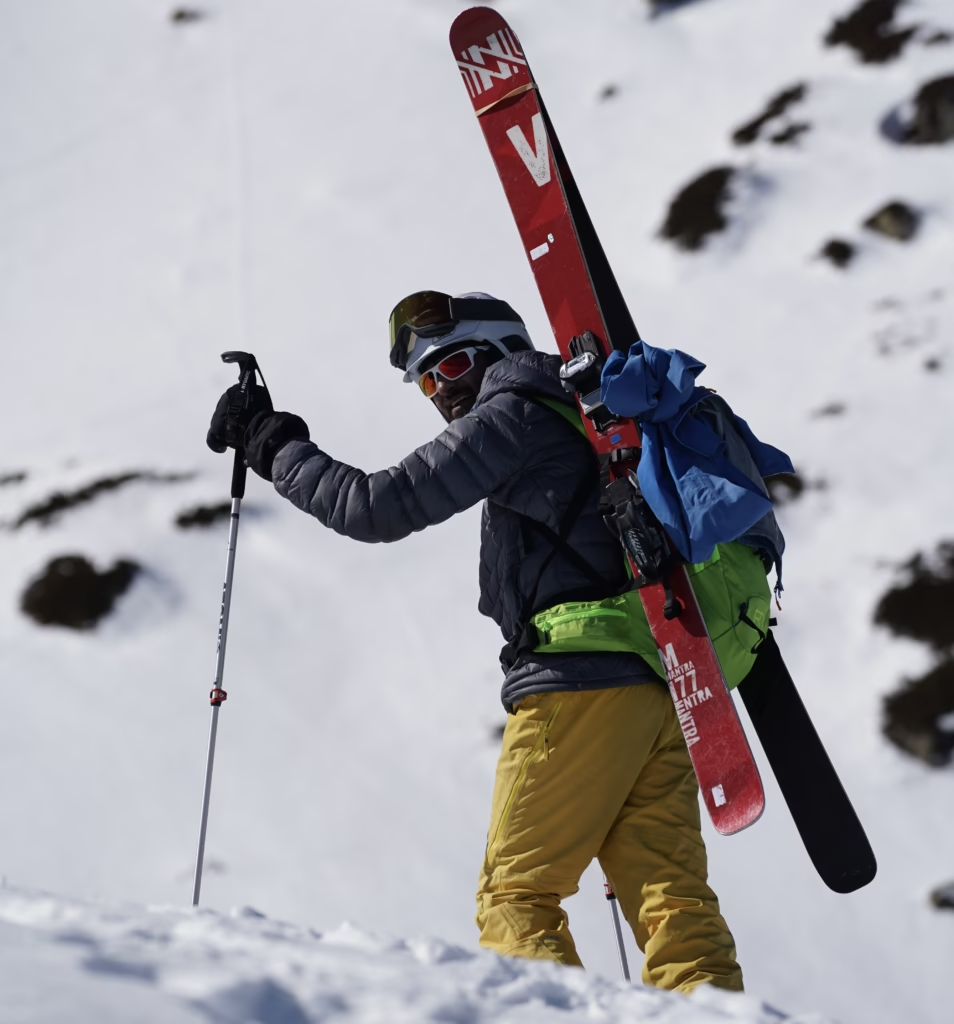
In deep or unpredictable Himalayan snow, you’ll want skis that are a bit wider underfoot. The extra width gives you better float and stability, especially on soft or freshly dumped powder. In fact, many Gulmarg guides recommend using “fat skis” — anything around 110 mm or wider — to glide smoothly through deep snow without sinking in. For the best ski setup for gulmarg, consider these recommendations to enhance your experience.
Versatility for changing snow: After a snowfall, you can get all sorts of conditions — crusty layers, wind-packed slabs, or firm sections in between. Your skis should be able to handle those transitions smoothly.
Bindings & boots: Go for something solid and trustworthy — the kind that works well for both climbing up and skiing down, especially if you’re touring or heading into the backcountry. It’s important that they can be fixed or adjusted easily out in the field.
Durability & easy maintenance: In remote mountain regions like the Himalayas, you don’t want fragile gear or anything that depends on rare replacement parts. Choose equipment that’s tough, repairable, and built to last.
Safety gear & avalanche readiness: If you’re heading into the Himalayan backcountry or even just exploring sidecountry zones, don’t skip the essentials — a transceiver, probe, and shovel. Go with a qualified guide who knows the terrain, and make sure your gear is solid enough to handle steep, remote conditions.
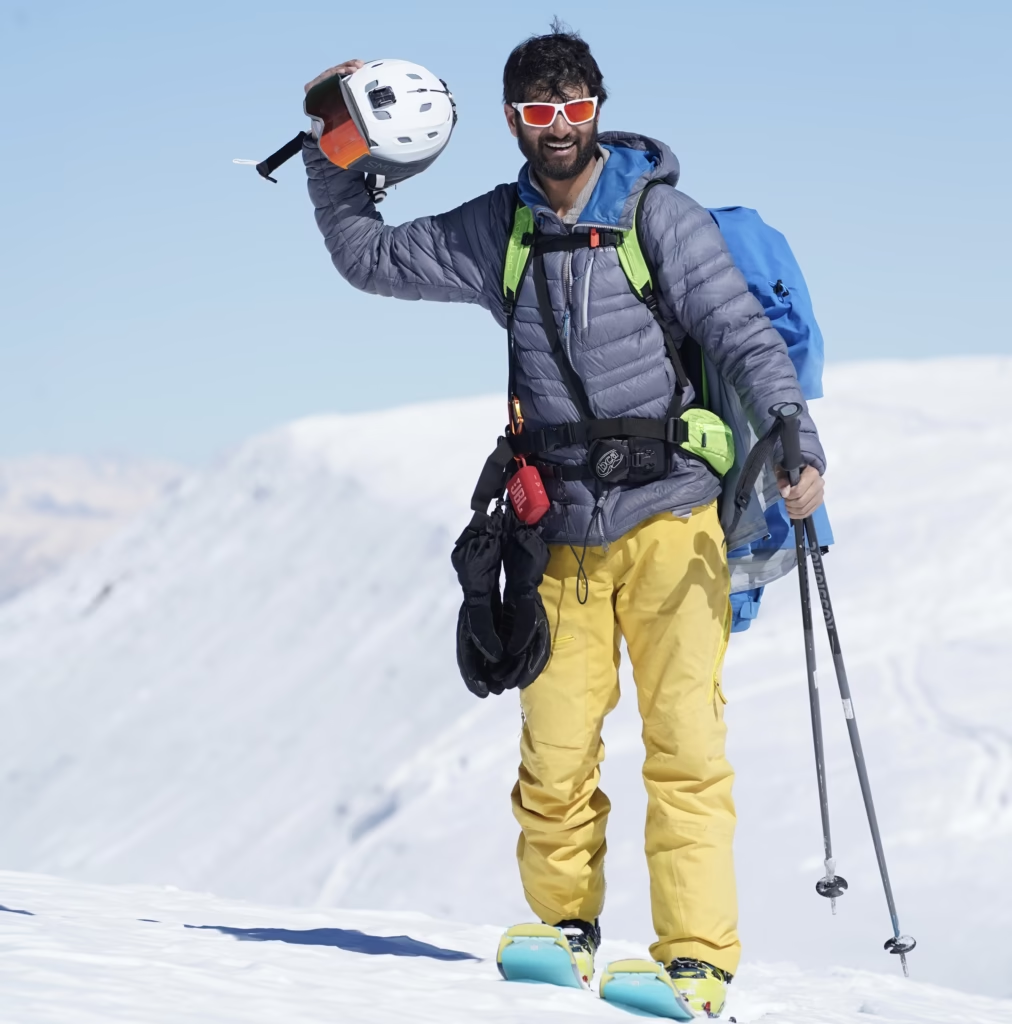
Altitude & snowpack conditions: In the Himalayas, snow can be tricky — layers aren’t always predictable, the sun hits harder, and freeze-thaw cycles can change fast. You’ll want gear that can handle those variables: solid boots, reliable outerwear, and good sun protection.
Touring & backcountry capability: If you’re guiding or skiing off the lifts in ungroomed terrain, a touring setup is worth it. Many Himalayan expedition lists recommend wider touring skis with tech bindings and skins — gear that lets you climb efficiently and still ski strongly on the descent.
Why this matters in a place like Gulmarg:
Gulmarg’s snow can be incredible — light, deep, and untouched — but the conditions can change fast. You’ll often move between soft powder, wind-blown crust, and sun-affected slopes in a single run, so your gear needs to handle all kinds of snow.
The altitude is another big factor. Some lifts take you above 4,000 meters, where the air is thinner and everything feels a bit harder. Lightweight, efficient gear can make a huge difference, especially on long climbs or guided tours.
Because Gulmarg is more remote than big Western resorts, you don’t always have quick access to rentals, repairs, or spare parts. That’s why durability and reliability matter so much — you need equipment you can count on all week. And finally, if you’re guiding or running a ski school, your guests’ safety and comfort come first. Using gear that performs consistently helps build trust and keeps everyone confident on the mountain, no matter what the snow throws at you.
My Recommendations after spending almost two decades skiing and guiding in Gulmarg’s off-piste backcountry
1. For Powder Days
when it’s dumping snow and you’re skiing deep Himalayan powder, go for wide freeride skis (110 mm or wider underfoot). They float beautifully in fresh snow and give guests the sensation of “surfing on snow.”
Example: Armada Whitewalker 121 & VOLKL Revolt 121 – a perfect choice for deep, soft days in Gulmarg’s upper bowls.
2. For All-Around Mixed Conditions
Most of my guiding days in Gulmarg mean mixed snow — powder, wind crust, and firm patches all in one run. Choose versatile freeride/touring hybrids (around 100–110 mm underfoot). These handle changing conditions smoothly and are great for everyday guiding—example: Nordica Enforcer 104 – a reliable ski for all snow types.
3. For Touring & Backcountry riders
If I guide clients uphill or into ungroomed Himalayan zones, I include a few light touring setups (around 100-110 mm ). They make ascents easier without sacrificing downhill performance.
Example: Salomon Qst 106– light, strong, and ideal for long climbs and remote runs.
4. For Resort & Intermediate Clients
I keep a small fleet of all-mountain skis for lift-served days, groomed runs, or guests who are still progressing. These are stable, forgiving, and easy to handle.
Example: Salomon all-mountain series.
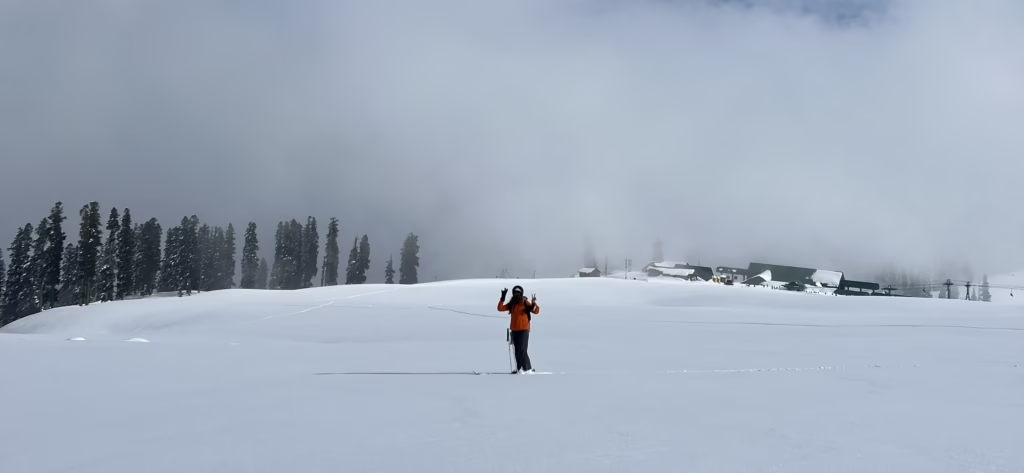
5. Boots, Bindings & Skins
Use high-quality, durable gear that can handle the demands of Himalayan terrain. Make sure all boots, bindings, and skins are well-maintained and properly fitted. I always brief clients about their setup — it builds confidence and ensures safety.
6. Maintenance & Upkeep
The Himalayas can be harsh on gear — strong sun, wind, and freeze-thaw cycles take a toll. Keep your ski bases, edges, and tuning in top condition. Regular maintenance not only improves performance but also extends gear life.
In short: The better your gear setup, the smoother your operations — and the happier your guests. In Gulmarg, where conditions can shift fast and terrain is serious, reliable equipment isn’t just about performance — it’s about safety, trust, and the overall experience.